
Family Enterprise Insights
Family enterprises face unique challenges as family relationships, ownership structures, and operating businesses evolve across generations. This collection of articles reflects Generation6’s research and advisory experience, exploring the frameworks and decisions that shape alignment, leadership, and continuity over time.
Explore Thought Leadership by Topic

FAMILY DEVELOPMENT & DYNAMICS
Family relationships shape how effectively governance and ownership systems function over time. These articles examine communication, cohesion, and generational transitions that influence alignment and continuity.

FAMILY & BUSINESS GOVERNANCE
Family enterprise governance defines how decisions are made, roles are clarified, and accountability is sustained across generations. These articles explore governance structures, boards, and frameworks that support alignment and long-term continuity.

FAMILY OFFICE & ENTERPRISE STRUCTURES
Family offices and enterprise structures sit at the intersection of family, ownership, and shared assets. These articles explore how structures are designed and evolve to support coordination, clarity, and long-term performance.
STEWARDSHIP & OWNERSHIP
Ownership in a family enterprise carries responsibilities that extend beyond financial interests. These articles explore ownership roles, decision-making, and the development of capable stewards across generations.

STRATEGY & DECISION-MAKING
Family enterprises face complex strategic and financial decisions shaped by both business realities and family priorities. These articles explore how families approach growth, investment, risk, and long-term decision-making.
ADVISORY APPROACH
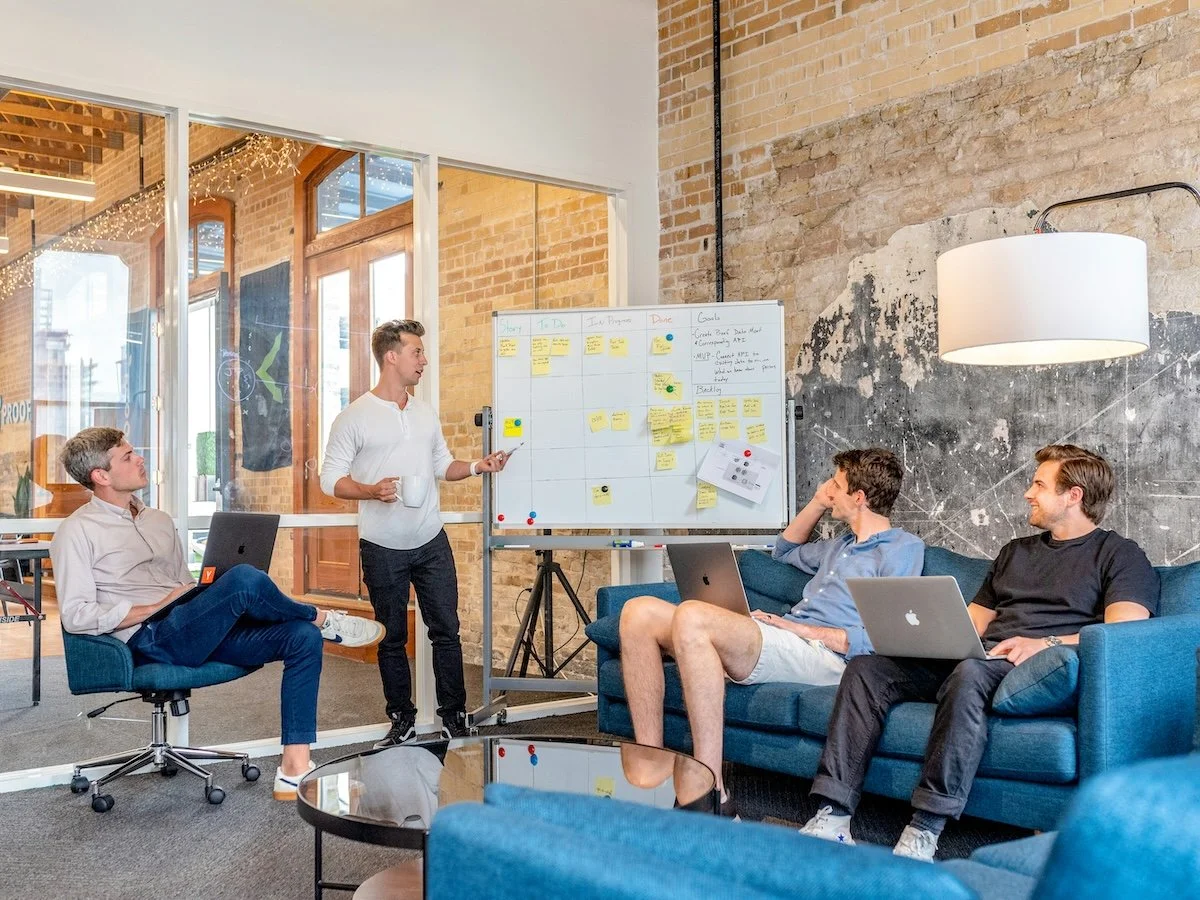
Effective advisory in family enterprise requires both structural clarity and relational understanding. These articles reflect how Generation6 works with families, including our philosophy, partnership model, and perspectives on long-term continuity.
Our Recent Articles

Fair Does Not Always Mean Equal: Ownership Decisions in Family Business
In family businesses, few conversations generate more emotion than the question of who should inherit ownership. Should shares be divided equally among children because fair means equal?

People Risk: The Blind Spot in Your Boardroom
How can private boards apply the same analytical rigor to people strategy as they do to succession planning and capital allocation?

Listening to the Family: The Strategic Value of Surveys
Surveys can reveal differing perspectives, surface hidden tensions, and – when done well – build trust, and serve as an educational opportunity.

Complex families require collaborative advisory: Why we work in teams at Generation6
Advisory teams often outperform individual consultants, because complex families require more than a single point of view.

Generation6 Academy: Turning Family Learning Into Ownership Capability
Education is more than content delivery - it is a pathway to building stronger relationships and enabling deeper conversations through a common language and shared understanding of your family enterprise.
Why Enterprising Families Must Invest in Learning Across Generations
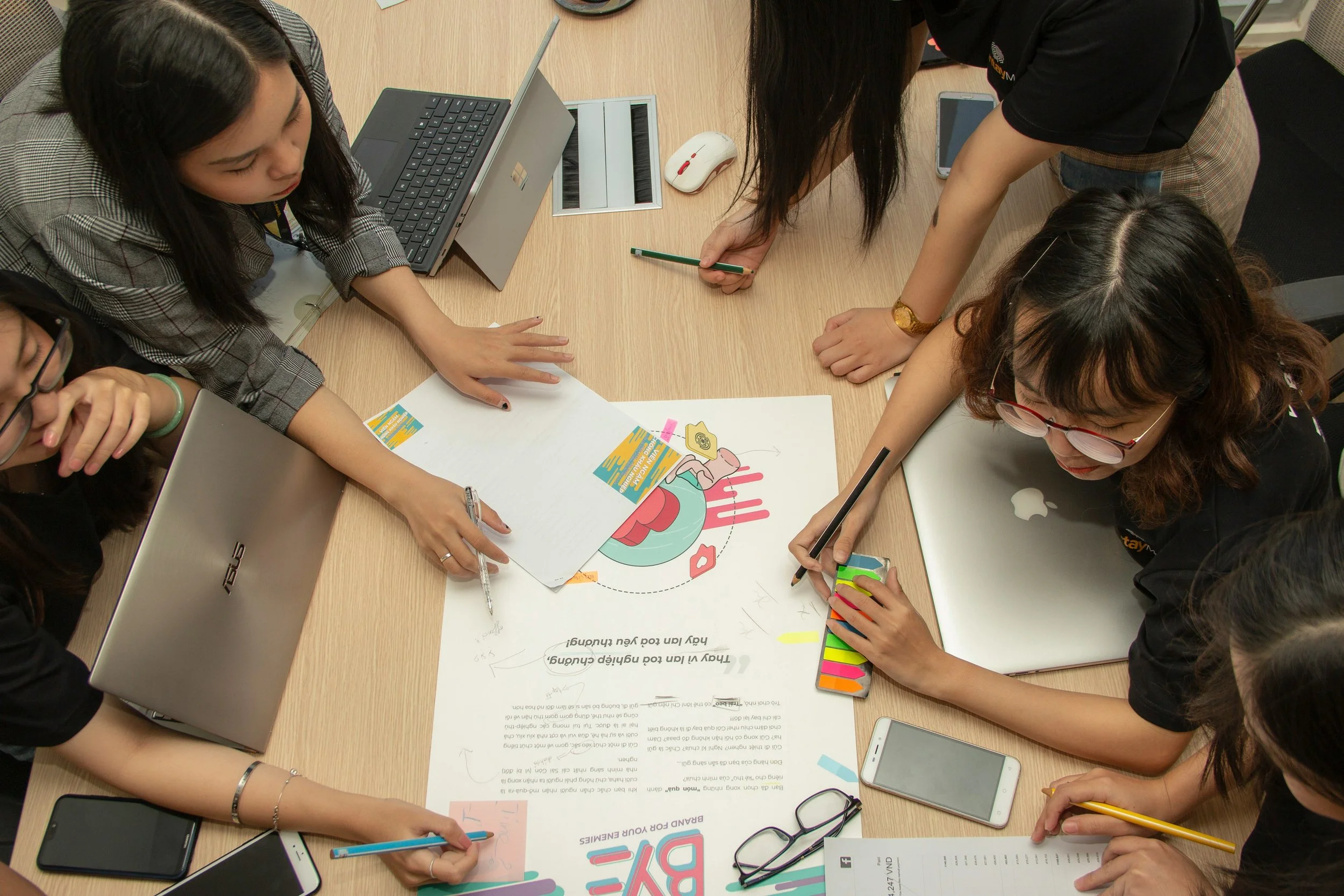
Education is the connective tissue that binds family, ownership, governance, and strategy together. It is how families build capable owners, resilient relationships, and a shared sense of direction.

The World is Changing Faster Than Your Strategy
Families that learn to use their cohesion, trust, and long-term orientation as strengths can implement strategies more effectively than their non-family peers, especially in times of uncertainty.

The 7 Gears of Leadership, And When to Use Each One
Effective leaders have mastered the ability to change gears - and they have the agility to mindfully choose which gear to use in different situations.

Let’s Continue the Conversation
Many of the topics explored in our articles arise directly from conversations with multigenerational families navigating complex transitions.
If your family is considering governance development, leadership transition, or strengthening alignment across generations, we welcome the opportunity to connect.